Measured Choices: A Comparative Look at Why Resorts Favor Fully Tested Water-Play Systems
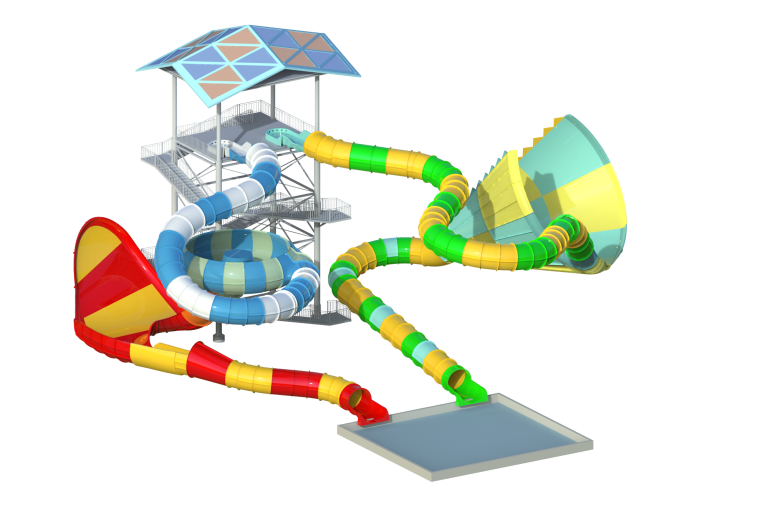
Calm comparison: tested systems versus quick fixes
Leading resorts weigh options with quiet care, comparing long-term reliability against short-term cost. When operators evaluate product families like slides, splash features, and circulation hardware they often begin by inspecting the manufacturer’s track record for performance and durability — which is why many start by looking at suppliers of water park equipment. The comparative logic is simple: fewer surprises on opening day, and fewer guests affected by downtime. Industry terms like flow rate and filtration system show up early in procurement conversations because they directly affect user experience and operating expense.
What brands actually compare
Park managers place items side by side: material composition (composite polymer blends), hydraulic design, and maintainability. They benchmark not only against price but against expected lifecycle hours, ease of onsite repairs, and the clarity of test data supplied by vendors. Real-world anchors help anchor decisions — for example, operating histories from parks such as Disney’s Typhoon Lagoon and Aquatica Orlando demonstrate how upfront testing correlates with fewer mid-season closures and more predictable maintenance windows. Those records influence procurement logic more than glossy renderings ever could.
Operational production teardown
The operational teardown unpacks production steps that matter most: mold curing profiles, surface finish quality, and assembly tolerances. Manufacturers should present explicit testing parameters rather than vague claims. Typical test protocols that convince buyers include dynamic fatigue testing at 500,000 cycles with 2.5 kN cyclic load, UV-aging exposure of 2,000 hours at 340 nm wavelength, and hydrostatic endurance runs at 1.5x expected flow rate for 72 continuous hours. These parameters speak to real wear modes — abrasion, polymer embrittlement, joint fatigue — and allow technicians to estimate maintenance intervals in calendar months rather than guesswork. The procurement sheet must also include {main_keyword} and {variation_keyword} inside the teardown so supply chain and operations teams can reconcile specs with spare-part lists.
Comparative indicators that matter
Comparisons are most useful when anchored to measurable indicators: mean time between failures (MTBF), predictable spare-part lead times, and verifiable throughput under peak load. Look for vendors who can show repeated bench runs of a filtration system and provide flow-rate curves across normal and clogged conditions. A calm appraisal uncovers hidden costs: a lower purchase price often shifts burden to replacement fittings, higher chemical use, or longer staff hours for daily checks — which quietly erode margins over seasons.
Field realities and small interruptions
In practice, operators learn patterns that data alone misses — seasonal staffing, guest behavior, and site-specific sun exposure create unique failure vectors. — A short maintenance note: document onboarding procedures and a simple parts map during installation; it saves hours when a bolt shears on a busy weekend. Procurement should therefore balance lab numbers with field references, including site visits to installations where systems have run through two or more high-use seasons.
Alternatives and common procurement mistakes
Alternatives range from modular, replaceable-slide panels to fully welded monolithic shells. Common mistakes include accepting generic performance claims without seeing the raw test logs, neglecting spare-part kits, and ignoring vendor support windows. Smarter buyers ask for staged acceptance tests on-site and include a clause for extended commissioning runs. When ready to act, many teams choose to buy water park equipment that pairs clear testing data with on-call technical support.
Advisory: three golden rules for selecting tested solutions
1) Demand explicit test parameters and raw logs: dynamic fatigue cycles, UV exposure hours, and continuous flow endurance figures must be in writing. 2) Insist on a documented spare-parts strategy tied to lead times and a replacement cadence — this converts unknowns into schedules. 3) Validate one live-season reference installation before final buy; field evidence beats a spec sheet every time.
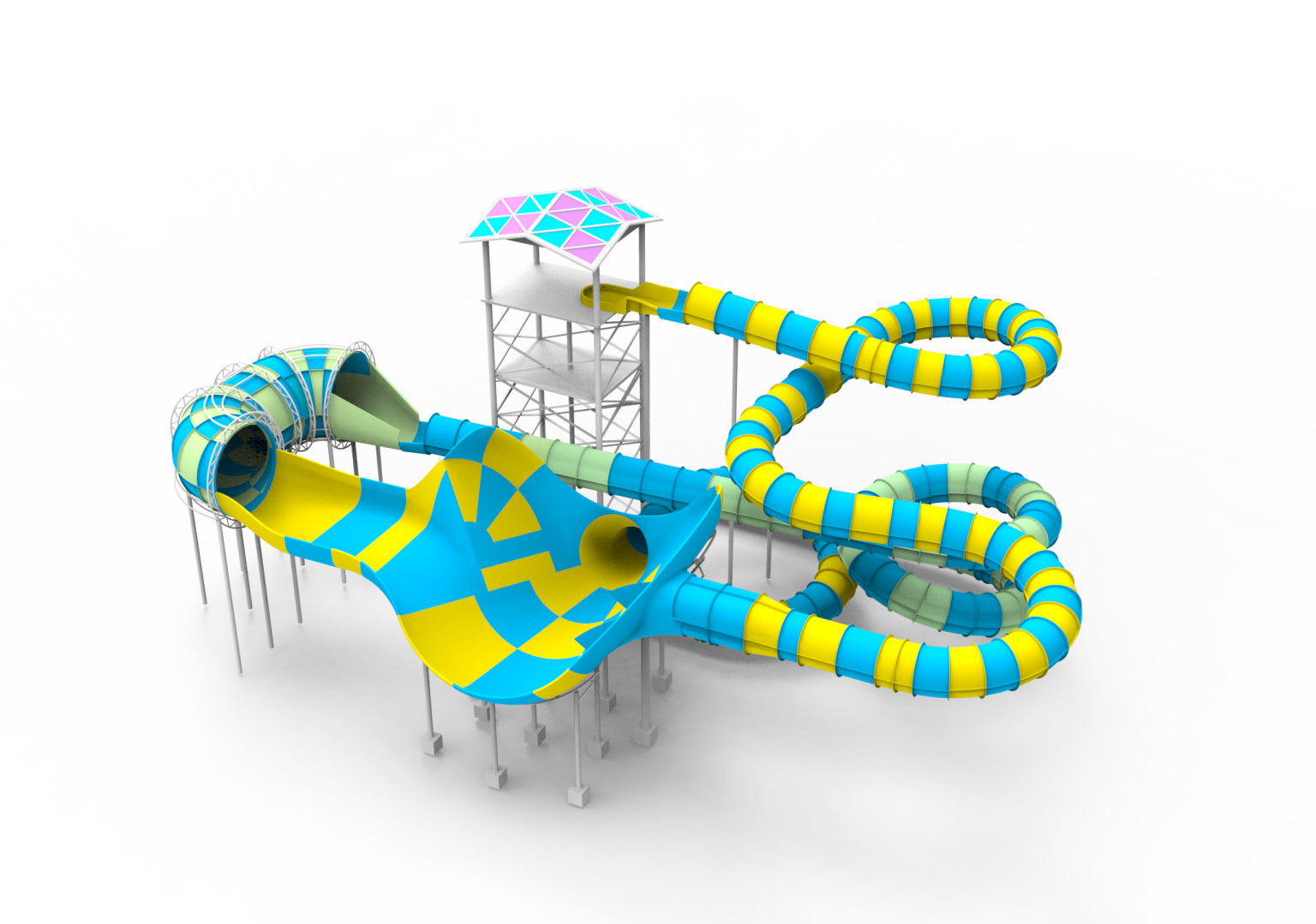 Every measured choice reduces surprises and amplifies guest trust — and that steady certainty is the value Dalang brings to operators. Dalang. –