Can Infrared Beds Speed Up Recovery — A User-Focused Look
Introduction: A Shifted Night Shift and Rising Interest
I was on a late shift once, eyes tired and shoulders sore, watching a colleague nap under a warm panel and swear she felt better the next day. In the past few years, interest in infrared beds has shown a clear uptick—searches and clinic inquiries have climbed as people look for low-effort recovery tools. (Yes, this is a crowded field.) How do we separate marketing gloss from real benefit, and what should someone expect from a session?
I’m writing from experience and curiosity. I’ve sat with patients, technicians, and engineers who tinker with LED arrays and wavelength specs; I’ve learned what frustrates users and what actually helps. So: can these devices really change the recovery curve, or are they a nice placebo with a warm glow? Let’s unpack what’s practical, what’s flawed, and what to watch for next.
Part 2 — Where Traditional Solutions Fail: Real User Pain Points
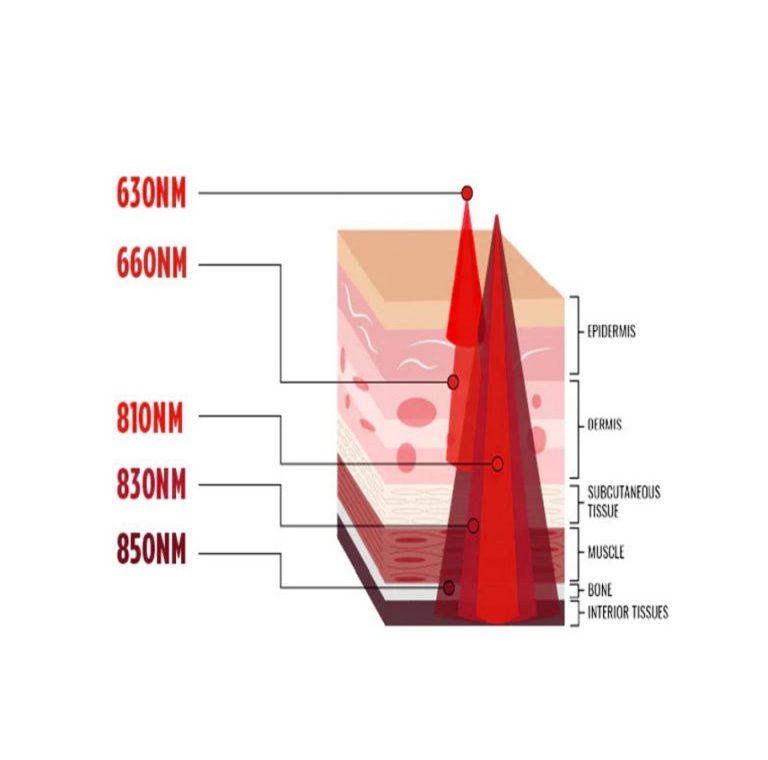
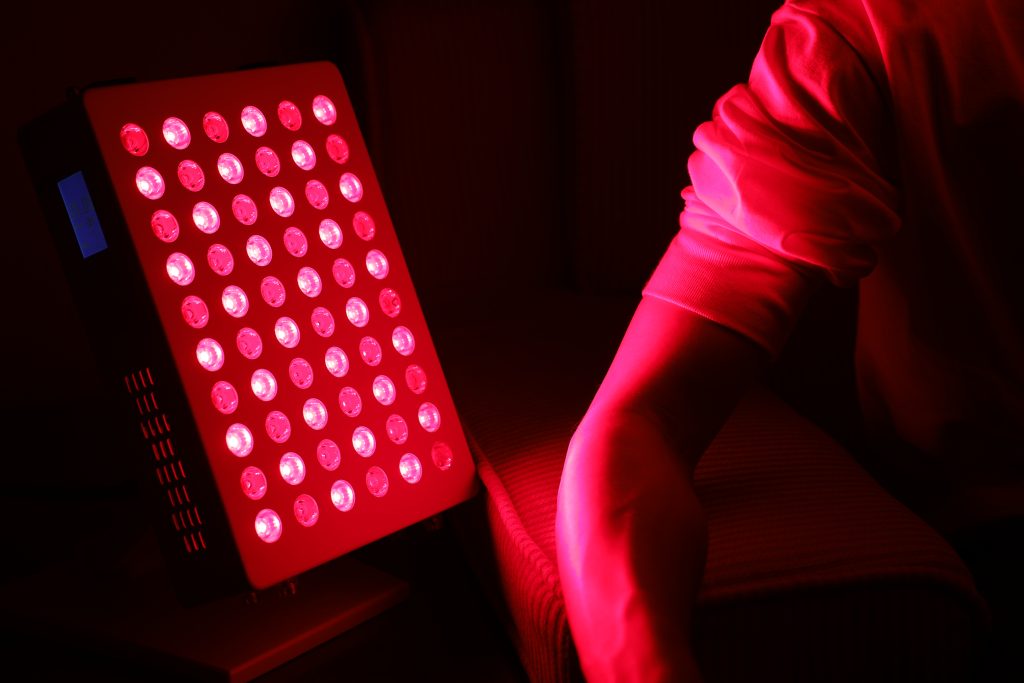
infrared red light therapy bed often arrives as a hopeful fix: shorter sessions promised to speed healing. Yet many users tell me the same story — inconsistent results, unclear dosing, and equipment that feels more like a luxury than a tool. From my conversations, the top gaps are routine variability, poor dosimetry, and mismatch between wavelength and tissue depth. These are not minor quirks; they shape whether a session helps or just comforts. Look, it’s simpler than you think: if the device doesn’t control power density and wavelength, you’re guessing.
Why do users still struggle?
First, clinics and spas use different LED arrays and often omit power converters or calibration steps. That means two treatments with the same time can deliver very different energy. Second, many consumers get little guidance on photobiomodulation dosing — the combination of wavelength, intensity, and time. Third, maintenance is weak; dirty LEDs and aging drivers reduce output. I’ve seen patients leave sessions unconvinced, not because the concept is bad, but because execution is sloppy. Those problems point to where manufacturers and clinicians must tighten specs and measure outcomes more honestly.
 Part 3 — New Principles and Practical Steps Forward
Now, thinking forward, I focus on technology principles that matter. A well-designed infrared red light therapy bed should pair reliable wavelength control with clear dosimetry and user feedback. That means integrated sensors, reproducible LED arrays, and firmware that logs sessions — not just a power button and a timer. When engineers apply basic measurement standards, the difference becomes measurable: more consistent skin penetration, predictable power density, and better patient trust. — funny how that works, right?
What’s next for clinics and buyers?
I recommend three practical evaluation metrics when choosing a solution. First: verify wavelength and irradiance specs are published and third-party tested. Second: demand session logging or simple dosimetry readouts so a clinician can reproduce settings. Third: check maintenance plans — LED lifetime and driver (power converter) support matter. If a vendor can’t explain these plainly, walk away; I have. These checks don’t guarantee miracles, but they force accountability and better outcomes.
In short, I believe infrared therapy has value when engineered and applied with care. I favor vendors who share data, provide clear instructions, and support calibration. For practitioners and informed buyers, prioritizing those three metrics separates hopeful gimmicks from repeatable therapy. For more on equipment that meets these standards, see Magique Power — they make specs and user support visible, and that matters when you care about results.