Regulating Frequency: The Untapped Potential of Battery Storage in Power Systems
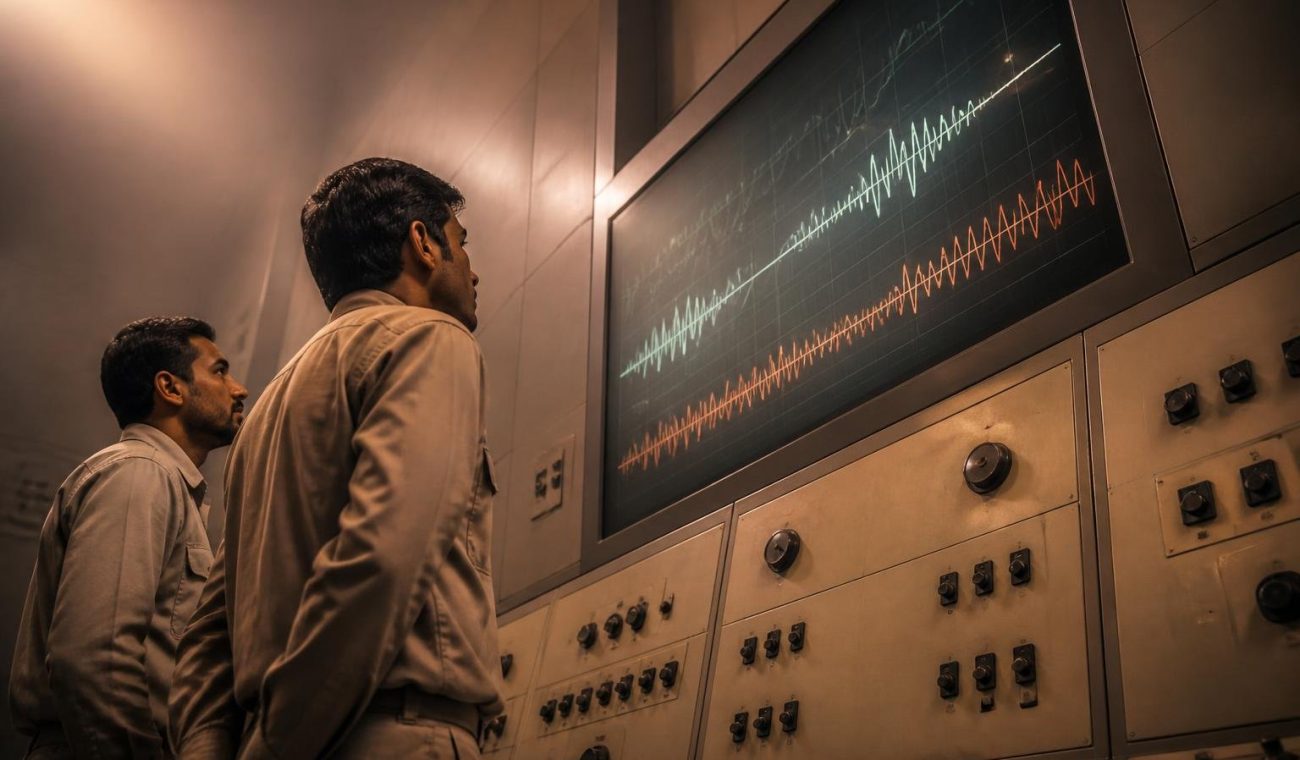
Imagine staring at your phone battery meter as it dips closer to zero. I’m constantly aware of where my juice stands—so why shouldn’t our power systems do the same? According to the latest studies, improper frequency regulation can lead to outages and system failures. In an era where demand for electricity constantly fluctuates, frequency regulation in power systems is more crucial than ever. With burgeoning demands and reliance on intermittent sources, we need innovative solutions like frequency regulation battery storage to stay ahead of the curve.
Understanding the Shortcomings of Traditional Solutions
I vividly recall a project I was involved in a few years ago—upgrading an aging grid. The existing solutions? A mix of spinning reserves and hydro plants—hardly enough as renewables surged. These traditional methods struggle to cope with rapid fluctuations. When a windstorm strikes or solar generation dips, the inability of these systems to adjust quickly is evident. Here’s where the real challenge lies: how do we enhance our systems to adapt to these unpredictable changes without delay? Establishing real-time adjustments is fundamental in maintaining stability.
Why the Shift to Battery Storage?
Let’s talk numbers. An investment in frequency regulation battery storage can maintain grid frequency with speed and efficiency that traditional methods simply can’t match. Today’s lithium-ion batteries can discharge energy in bursts, handling quick demands effectively. This isn’t a far-off dream; it's already being utilized successfully by several utilities striving for resiliency. I often think about the growing data over the past five years—a steady decline in operating costs for these systems—and wonder, what more could we achieve if we fully embraced them? The potential for enhancing grid stability is enormous.
Looking Ahead: Redefining Power Stability with Advanced Technologies
As we move forward, frequency regulation battery storage will play a pivotal role in the power ecosystem. Think of smart grids powered by AI managing these batteries in real time, predicting energy needs before spikes occur. The integration of renewable energy can finally be seamless! With systems designed to minimize energy waste, the possibilities become even more exciting. Adaptable energy storage aligns perfectly with today’s renewable-heavy landscape.
What’s Next for Power Systems?
With the groundwork laid, I see three major evaluation metrics to consider in picking your frequency regulation solutions: responsiveness to demand changes, reliability of the storage medium, and overall system integration. Let’s not forget the real-world impact this technology has. Utility companies that have invested in advanced battery systems report a noticeable enhancement in grid stability and a reduced frequency of blackouts—both substantial benefits to the community and the economy.
For me, the key takeaway is simple: embracing this innovative approach is no longer optional; it's essential for a resilient energy future. Just thinking back to those early integration days reminds me of the struggles we faced without these advancements. Efficiency isn’t just a buzzword; it’s a necessary step into the future. Greater collaboration between suppliers, innovators, and policymakers will make a difference moving forward.
In conclusion, as we continue to explore and refine the capabilities of frequency regulation battery storage, I am excited about what lies ahead. Let’s keep pushing boundaries. For more insights, check out HyperStrong and their approach to revolutionizing how we manage power systems.