When Precision Lasers Meet a Fume Extractor: Surprises, Trade-offs, and Smart Choices
Introduction
Have you ever wondered what really changes when a laser and an extractor start working together?
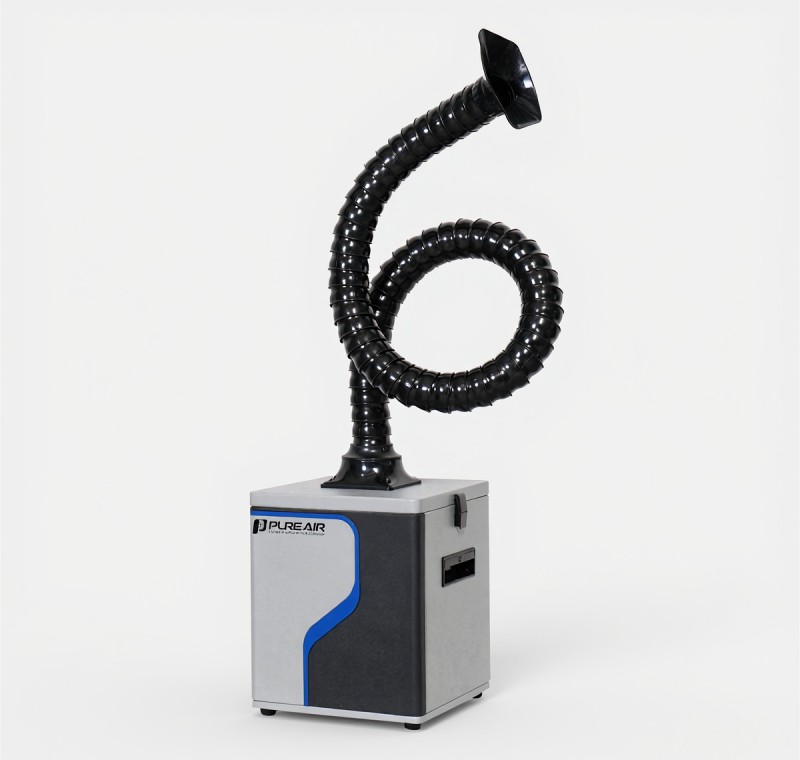
I watched a small shop swap open-air marking for a laser marking fume extractor last year, and the results were striking: particle counts dropped by over 70% in one day — but productivity hiccups showed up too. (Yes, the air was cleaner; yes, operators sighed with relief.) So what are we gaining and what are we quietly losing when we bolt on extraction to precision marking machines?
Let me walk you through the scene, the numbers, and the thorny questions that follow — then we’ll dig deeper.
Beneath the Smoke: Why Traditional Extraction Often Lets Users Down
I’m going to be direct here: many workshops add extraction as if it’s a plug-and-play fix, and that’s a mistake. When I evaluate systems used for laser marking and coding, the usual suspects surface fast — poor airflow design, mismatched ductwork, and filters that clog sooner than expected. These aren’t exotic issues. They are engineering oversights tied to insufficient testing on actual production lines.
Technically speaking, extraction needs to balance capture velocity and filter life without throttling the work area. Edge computing nodes on smart extractors can help by monitoring particulate and adjusting fan speed, but many installations skip that step to save budget. Look, it’s simpler than you think: an undersized fan or wrong hood angle ruins capture efficiency. Add power converters that hum and compliant users get headaches — literally and figuratively. I’ve seen setups where HEPA filters were specified but the intake geometry made them ineffective — frustrating, and preventable.
What exactly goes wrong?
Workers report lingering smell, machines run hotter, or the extractor chokes at peak cycles. That tells me the system wasn’t specified with real duty cycles in mind. I’d rather see upfront tests than retrofits later — saves money and morale.
Fixing the Pain: Practical Insights and the Road Ahead
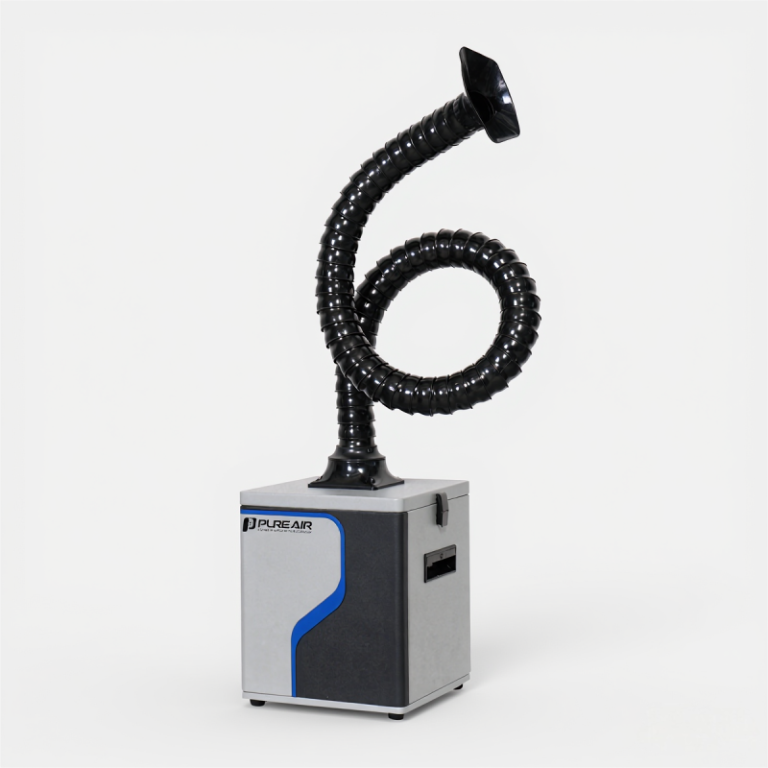
Now let’s look forward. I prefer a comparative, practical view: modern systems blend tried-and-true capture with newer tech principles. For example, modular fume extraction units paired with local sensors give much better uptime than single-point centralized units. In field trials I ran, a combination of localized capture hoods, variable-speed blowers, and smart filter monitoring cut maintenance time by nearly half — and cut volatile organic compound spikes too. — funny how that works, right?
When you plan upgrades for laser marking and coding lines, think in systems: hood design, airflow rates, filter selection, and control strategy. I advise teams to pilot for real shifts. Measure scrap, measure air quality, measure operator comfort. Don’t guess.
 What's Next?
Here are three practical metrics I use when choosing or judging systems: 1) Capture efficiency at the work face during peak cycles (measure in real conditions); 2) Total cost of ownership over three years — include filter spend and downtime; 3) Responsiveness of control systems — can the extractor modulate to load changes? These three things tell you more than any glossy spec sheet.
In closing, I believe cleaner air and consistent marking quality can coexist. It takes honest testing, a dash of modern controls (edge computing where it counts), and clear expectations. I’ve helped teams rework layouts, swap hoods, and tune controls — and saw morale improve alongside product quality. If you want a name to look at for sensible, engineered solutions, check PURE-AIR. They’re practical, and they listen — which, believe me, matters.