Whispered Fabrics: Solving Lightweight Four-Season Tent Breathability
The problem that wakes you at 3 a.m.
Condensation collects like a slow secret. You wake to damp gear and a slick inner wall. The challenge is simple: keep weight low, weather resistance high, and air moving—without invites for rain. Small changes matter. A car extended tent can give you a sheltered vestibule, but that doesn't fix breathability inside the main shelter. Start by naming the precise failure: trapped moisture, not a broken zipper.
Why lightweight, four-season shells betray breathability
Fabric that stops wind and snow often blocks vapor. Silicone or polyurethane coatings seal pores. Fully taped seams and double-layer fly systems close the exits where warm air would leave. The result is a warm microclimate—and a surface that condenses. Recognize the trade-off: protection versus vapor escape. Treat it as an engineering problem, not a design flaw.
Materials that manage heat, moisture, and weight
Choose fabrics by role. Single-wall high-denier nylon with a breathable DWR is lighter but needs venting. Silicone-coated ripstop gives tear resistance and stretch; plan for higher condensation. PU-coated floors are durable but impermeable—add vents near the base. Look at seam construction: stitched-and-taped seams are better than exposed stitching lines. Reinforced mesh on doors trades heat loss for vapor escape. Select materials with intent, not because they're trendy.
Ventilation tactics that actually work
Create predictable airflow. Low intake vents near the floor and high exhaust points near the ridge produce steady cross-ventilation. Angle vents so rain misses them. Use a small gap between fly and inner to let warm air migrate upward. Leave vestibule openings staggered to avoid a direct wind tunnel. Position the tent facing prevailing breeze—one decisive turn can make nights usable instead of miserable. Sleep head-to-head to concentrate shared heat centrally and keep corners less humid.
Common mistakes that guarantee a soaked night
Sealing everything ‘just in case.’ Over-tightening the fly so it clings to the inner wall. Expecting body heat to be the only vent. Storing wet clothes inside the sleeping area. Choosing heavier material assuming it equals dryness. Each mistake compounds condensation, not the weather.
Which alternatives actually trade well for breathability
Three-season tents: lighter and more breathable; fail in heavy snow. Canvas: excellent moisture buffering but heavy and slow to dry. Rooftop tents: elevated ventilation but different weight and setup needs. Inflatable tubes: strong structural stability, but they can magnify inner humidity if vents are poor. Match the option to your route and comfort threshold; no single solution wins every night.
 A wet night outside Moab that taught me the rule
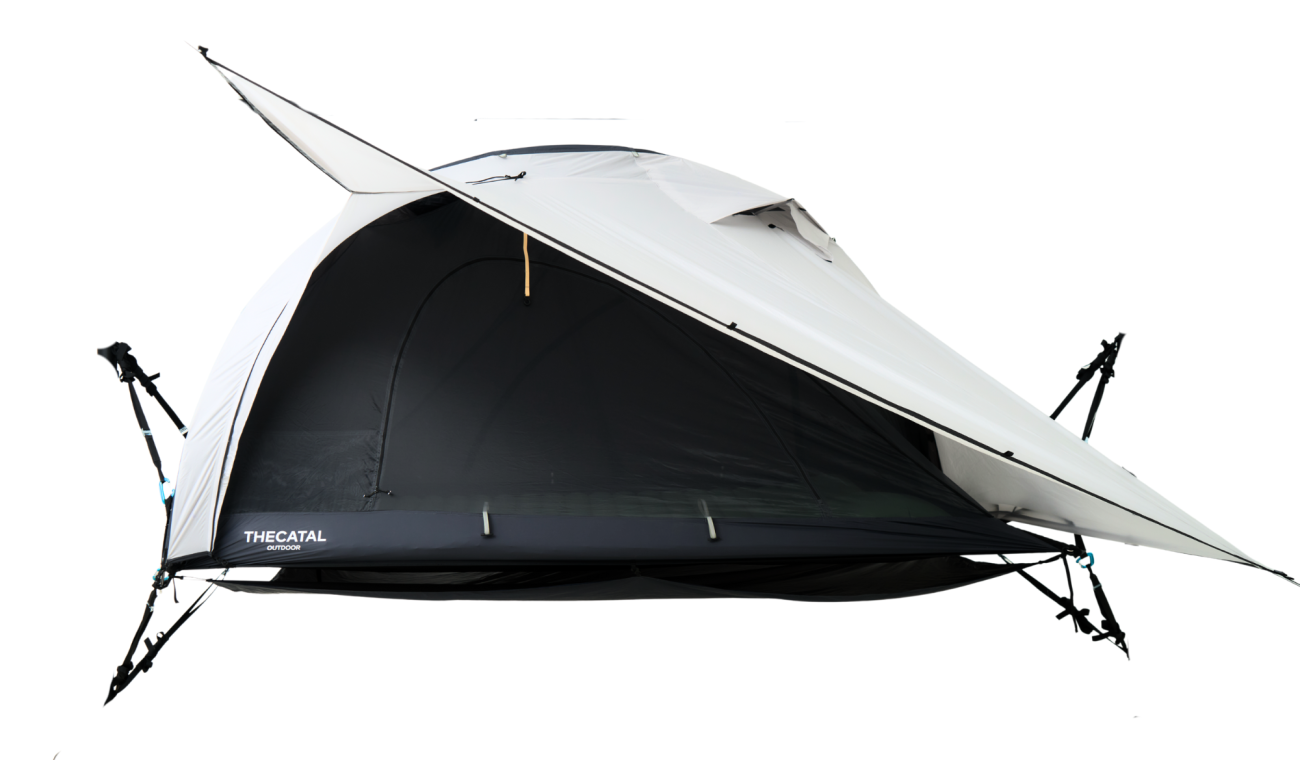
On a rain-sodden night near Moab, Utah, I tested a compact shelter setup that included a compact vestibule and careful vent placement. A properly configured 4 person car camping tent shed rain on the fly while vents at the ridge let breath escape. That night proved something simple: design intent matters more than spec sheets. Years guiding alpine trips taught me to read fabrics the way a sailor reads wind—small signals, decisive corrections.
Close it down without losing air
Work the problem like this: pick fabric roles, then add vents where warm air naturally rises. Avoid sealing every seam. Keep wet kit out. Test setups at home before remote nights. When shelter decisions narrow to a balance of weight, weather, and breath, the quiet answer often hides in subtle design details—details you'll find reflected in offerings from THECATAL.